
Introduction: Protect Your Little One With Smart Gear Choices
When it comes to babies, safety isn’t optional—it’s essential. From cribs to strollers, feeding tools to monitors, every piece of baby gear carries potential risks if not chosen and used correctly. In this guide, we’ll break down the most important baby gear safety tips you need in 2026, helping you protect your child while making parenting easier and more enjoyable.
1. Crib and Sleep Safety – More Than Just a Mattress
Your baby spends most of their early months sleeping, so a safe sleep environment is critical.
Actionable Safety Tips:
- Use a firm, well-fitting mattress: Avoid gaps between the mattress and crib to prevent suffocation hazards.
- Follow age and weight limits: Convertible cribs may be fun, but ensure they’re used according to manufacturer guidelines.
- Avoid soft bedding: Pillows, blankets, and stuffed animals increase the risk of SIDS (Sudden Infant Death Syndrome).
Trend Insight: Cribs with breathable mesh sides and adjustable heights are trending in 2026 for enhanced safety and versatility.
2. Baby Monitors – Peace of Mind Without Compromise
Modern baby monitors offer convenience but can pose safety concerns if misused.
Key Tips:
- Keep cords out of reach: Secure power cords and charging cables to prevent strangulation hazards.
- Regularly check devices: Batteries should be fully charged and monitors updated to prevent malfunctions.
- Use encrypted connections: Wireless monitors should have secure connections to protect your family’s privacy.
Pro Tip: Choose monitors with night vision and sound alerts to catch issues early without disturbing your baby’s sleep.
3. Strollers and Car Seats – Safety on the Move
Travel gear is critical, especially for families on the go. A stroller or car seat can save lives—but only if used correctly.
Practical Safety Tips:
- Check harnesses regularly: Ensure straps fit snugly and are fastened properly every time.
- Follow weight limits: Avoid using infant gear beyond recommended age or weight ranges.
- Lock wheels and brakes: Before placing your baby inside a stroller, double-check that all locking mechanisms are engaged.
Trend Insight: Modular travel systems are popular in 2026 because they grow with your child, but parents must always follow safety instructions carefully.
4. Feeding Gear – Protecting Your Baby at Every Meal
Feeding tools are essential, but they can pose risks if not chosen with care.
Top Safety Tips:
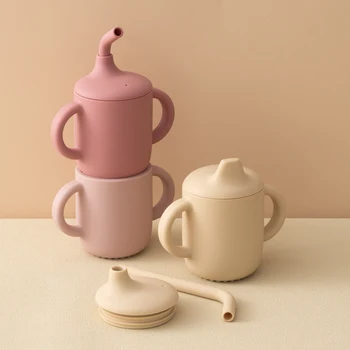
- Choose BPA-free bottles and utensils: Reduce exposure to harmful chemicals.
- Inspect nipples and pacifiers frequently: Replace worn or cracked items immediately.
- Never prop bottles: Always feed your baby directly to prevent choking hazards.
Pro Tip: High chairs with 5-point harnesses provide extra security for active toddlers learning to eat independently.
5. Toys and Play Areas – Safe Exploration
Playtime is crucial for development, but it must be safe.
Safety Guidelines:
- Check age recommendations: Small parts can cause choking hazards for infants.
- Avoid toxic materials: Choose toys made from non-toxic, phthalate-free materials.
- Supervise play: Even the safest toys require occasional monitoring to prevent accidents.
Trend Insight: Eco-friendly and multifunctional toys are in demand in 2026, combining safety with developmental benefits.
Conclusion: Making Baby Gear Safety a Priority
Ensuring your baby’s safety starts with choosing the right gear and using it correctly. Focus on cribs, monitors, strollers, feeding tools, and toys, and stay informed about new safety trends.
By following these baby gear safety tips, you create a safer, happier environment for your little one while making parenting more manageable. Start today: review your nursery, check all gear for safety, and implement these steps to protect your baby.
For more expert tips on baby gear, sign up for our newsletter and stay updated on the latest trends that make parenting safer and easier.



0 Comments